
INTERVIEWS
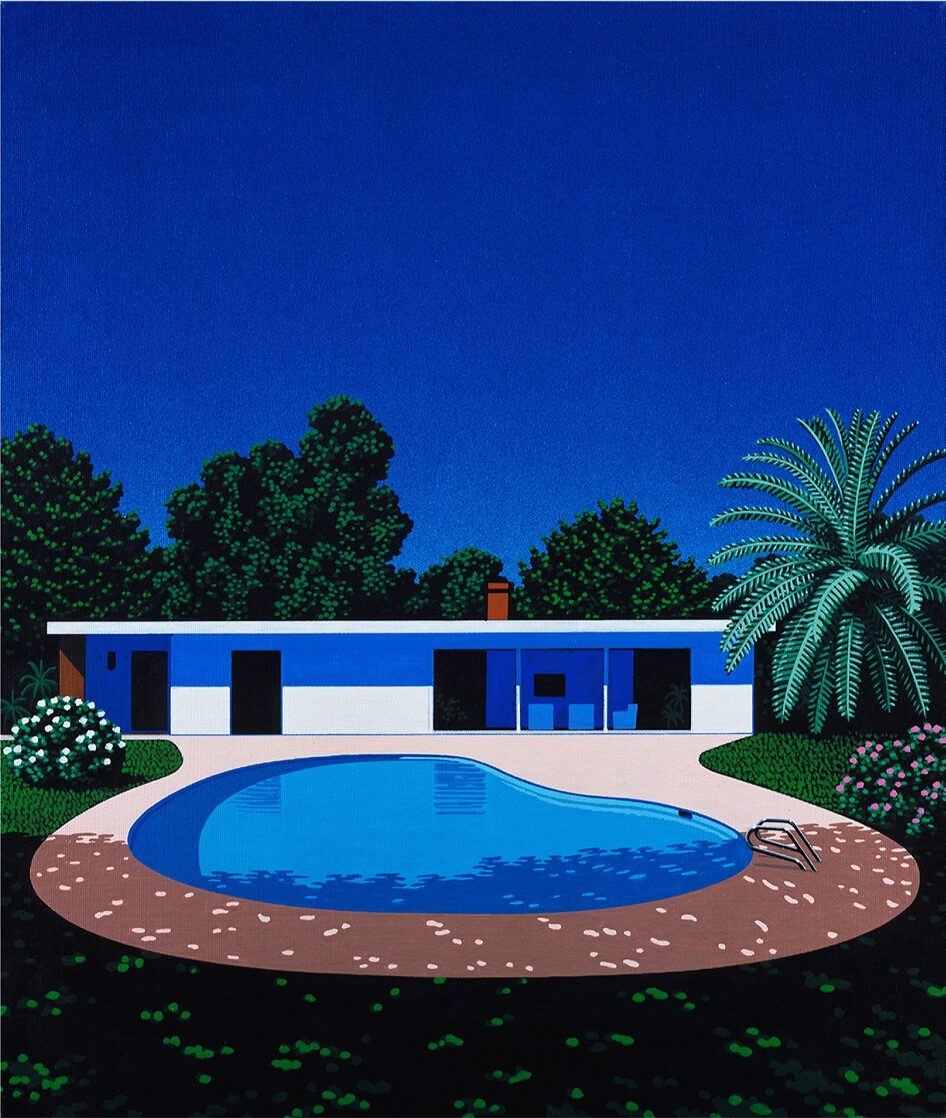
Renowned for his radiant skies, tranquil coastlines and endless sunsets, Hiroshi Nagai captures the elusive beauty of summer like a dream that never fades. Sun-drenched, quiet, and suspended between nostalgia and serenity, his scenes are composed with cinematic precision and bathed in perfectly balanced, luminous colour — timeless icons of Japanese pop culture and of the collective visual memory.
(Recorded and transcribed by Sayaka Shibata, Tokyo — July 31, 2025)
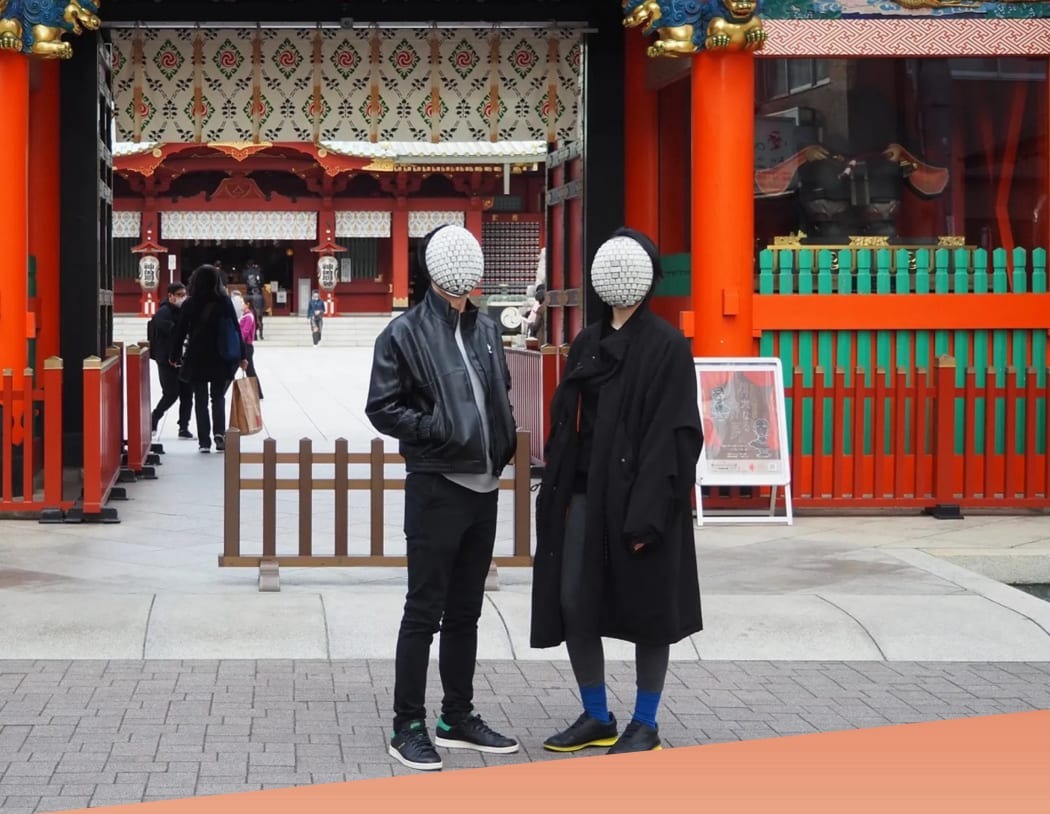
EXCALIBUR, a pioneer of Japanese pixel art, creates works that tell profound stories through what may at first seem like simple video game imagery. After their first solo exhibition, NEW GAME+, in Paris in December 2021, they return for the first time in nearly three years. In 2024, they opened the year with their solo exhibition NEW VOID in Rotterdam in April, followed by creative projects for the Urban Art Fair, and now return to Paris this December with METABIT.
EXCALIBUR is a collective founded by Yoshinori Tanaka. Inspired by the golden-age graphics of 1980s Famicom (Nintendo) games, they create works ranging from paintings and sculptures on Japanese myth and culture to experimental art forms known as Alternate Reality Games (ARG), where everyday life becomes part of the game.
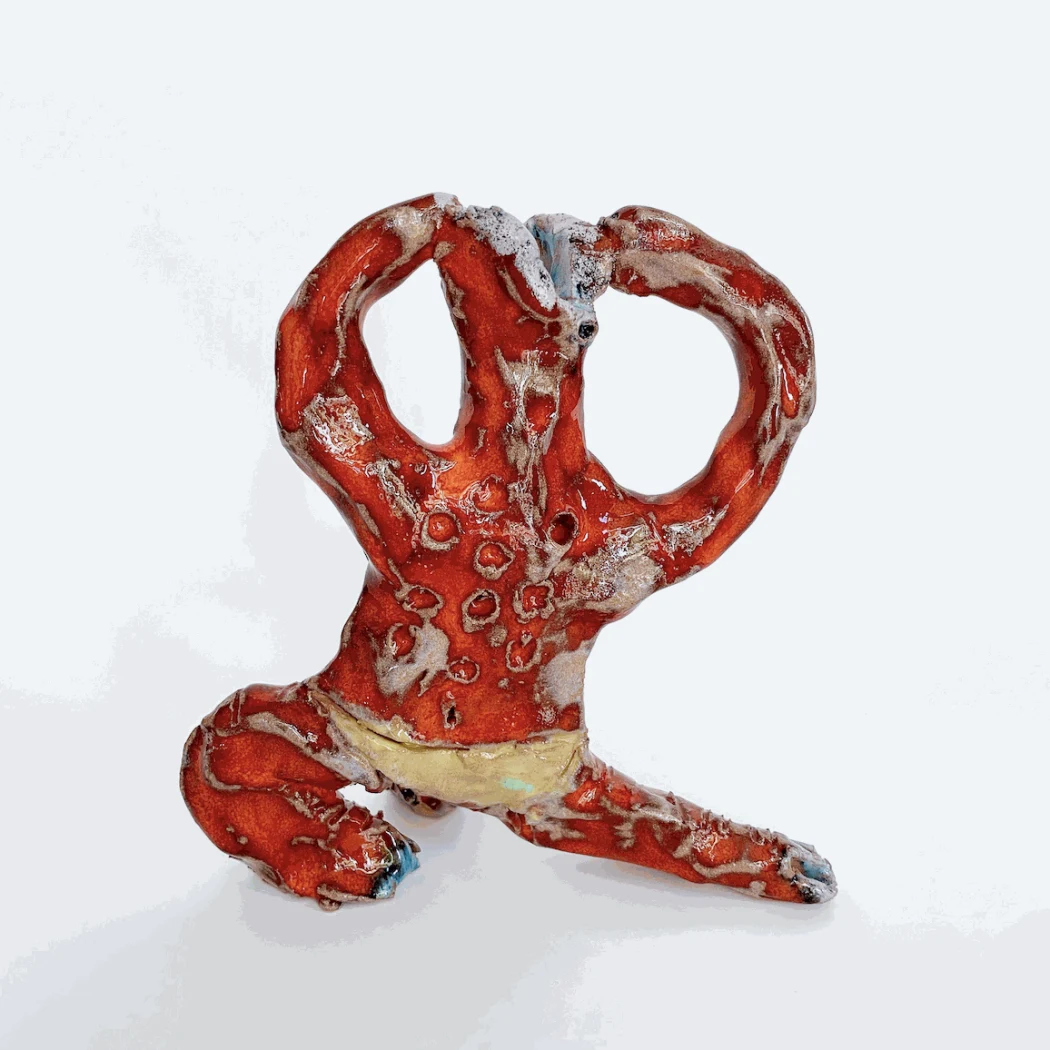
Jannes van Arkel is the unexpected new artist of Sato Gallery! Dutch, rebellious, free, young and very talented. Born in Rotterdam, in 1997, the year of the ox – a very good year to be born, according to him – Jannes grew up in an artistic family that traveled a lot to far places.
“The ceramics, in a way, are just a vehicle.”
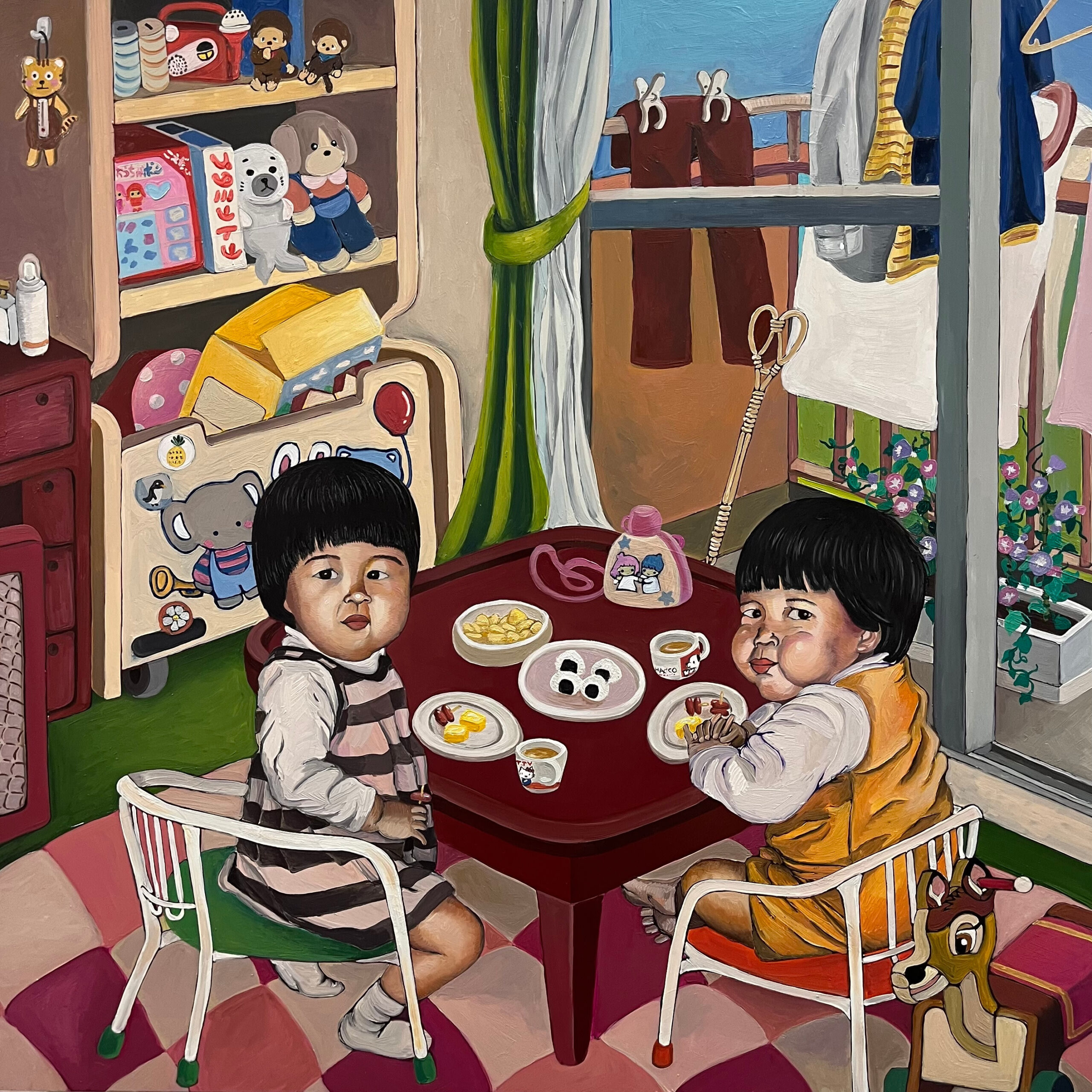
After graduating design school in Osaka, Mayumi Nakao (b. 1985, Kobe) realized her long-held dream of living abroad and moved to New York alone in 2013.
Encounters with artists from all over the world who came to New York to pursue their artistic dreams significantly changed her life. Inspired by their work and passionate efforts, she enrolled in the Art Students League where she began creating works using oil painting techniques.
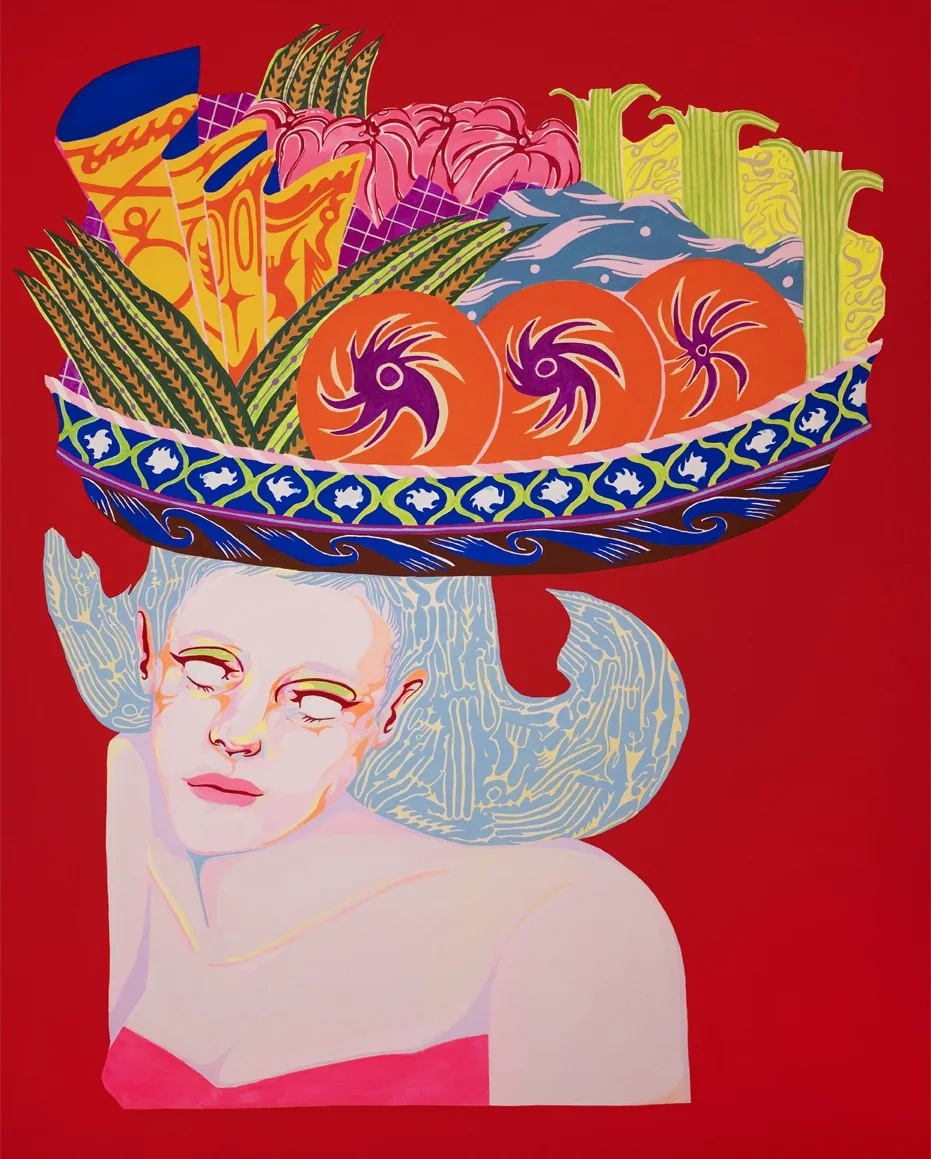
“I strongly feel the power of colors, especially when combined. Since there are infinite combinations, I want to convey their power each time.”
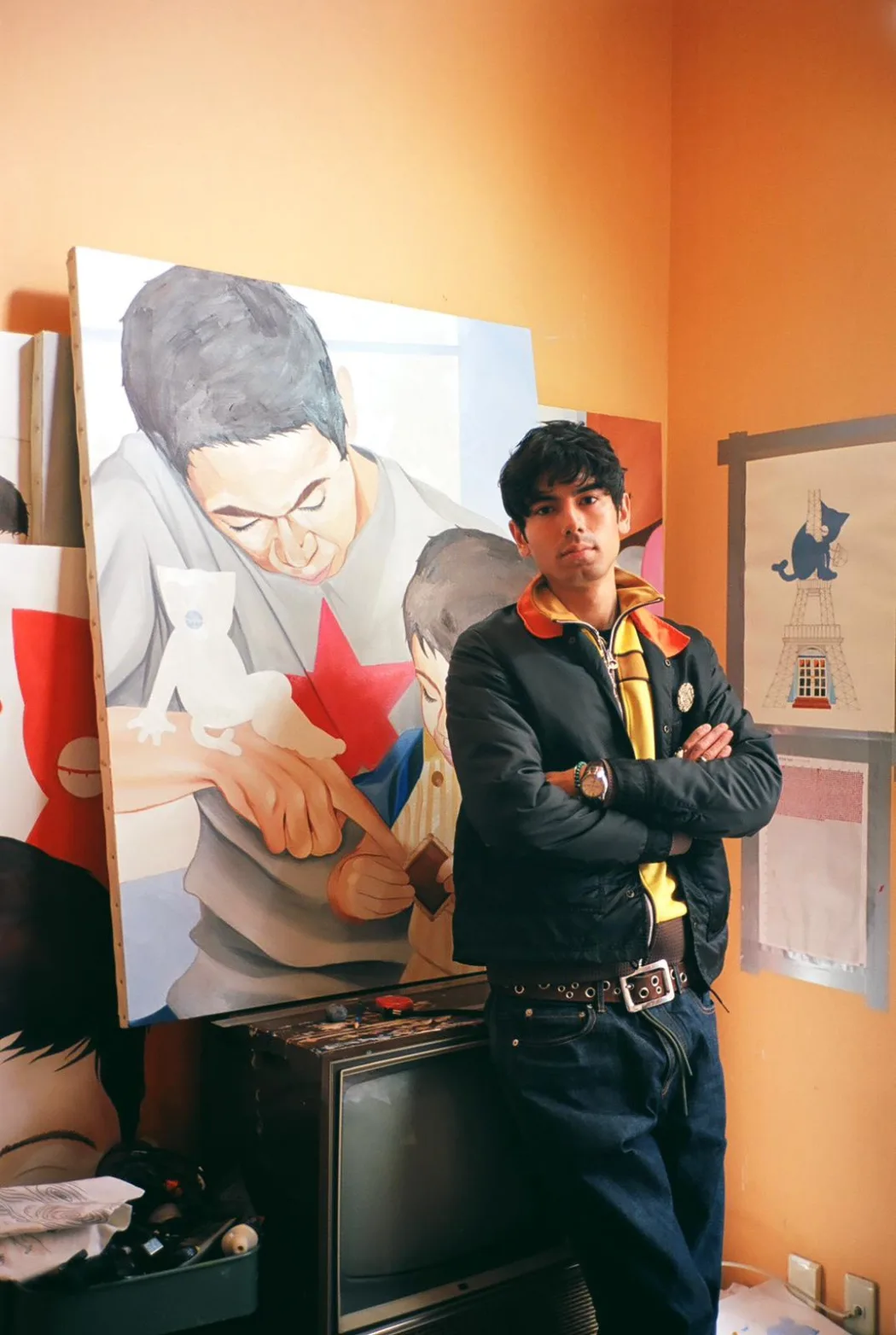
From the time he could hold a pen, French/Japanese artist Victor Takeru (born in 1998) dreamed of becoming a cartoonist. However, he soon realized that he lacked the patience required for crafting stories and decided to pursue a career as an artist. His style is an intriguing fusion of influences, drawing from Japanese (manga) artists like Matsumoto Taiyo, contemporary artists such as David Hockney and Claire Tabouret, and the dynamic world of street art, resulting in a unique bicultural approach.
Sato Gallery welcomes its youngest artist, Victor Takeru, into the family. As of October 27th, Takeru’s artworks will be showcased in Rotterdam, and we had the opportunity to sit down with him and discuss his young but promising artistic journey.

Delivering the Ultimate Reality of Everyday Life from a 6-Tatami Room to the World
As a boy with a passion for soccer and fashion, Ichi Tashiro (1984) began cutting and pasting from the multitude of magazines he collected to organize them in a notebook. He combined fashion images from magazines with soccer balls in his head. This marked the beginning of his journey into the world of collage, which he described as a meditative process where he could immerse himself without distraction.
Driven by a strong desire to break free from his hometown of Matsuyama in Ehime Prefecture, Ichi ventured to New York at the age of 19. His life as an artist began by selling his works on the streets.
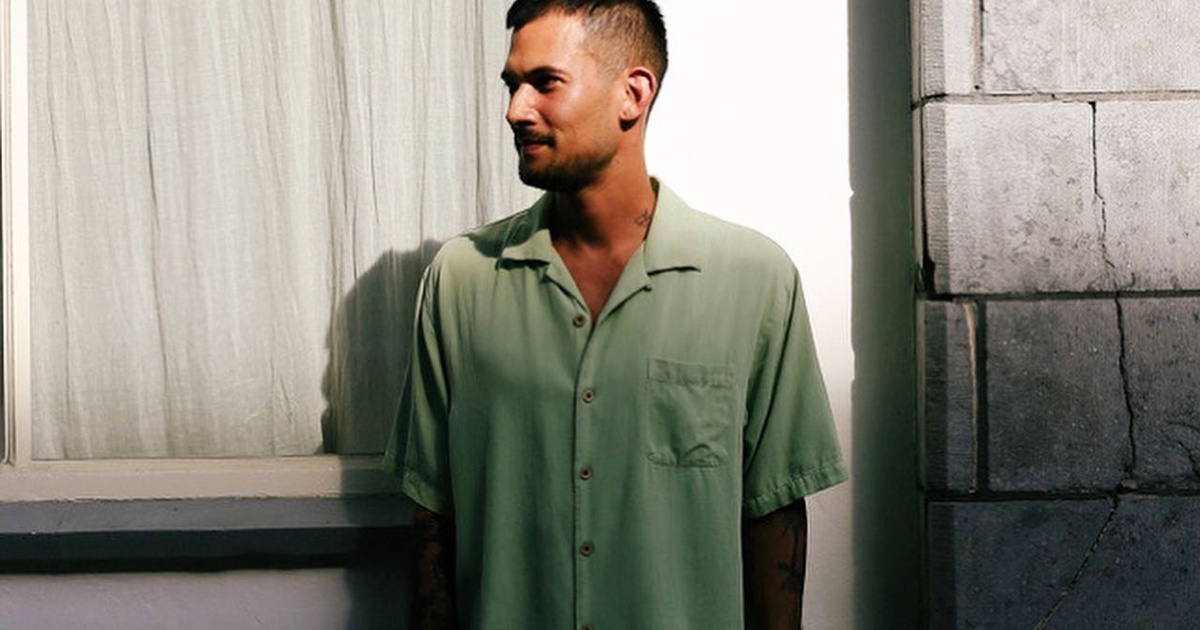
There is a visible influence of the Modernisme Efrain grew up with, but it neatly combines with a sparkle of surrealism.
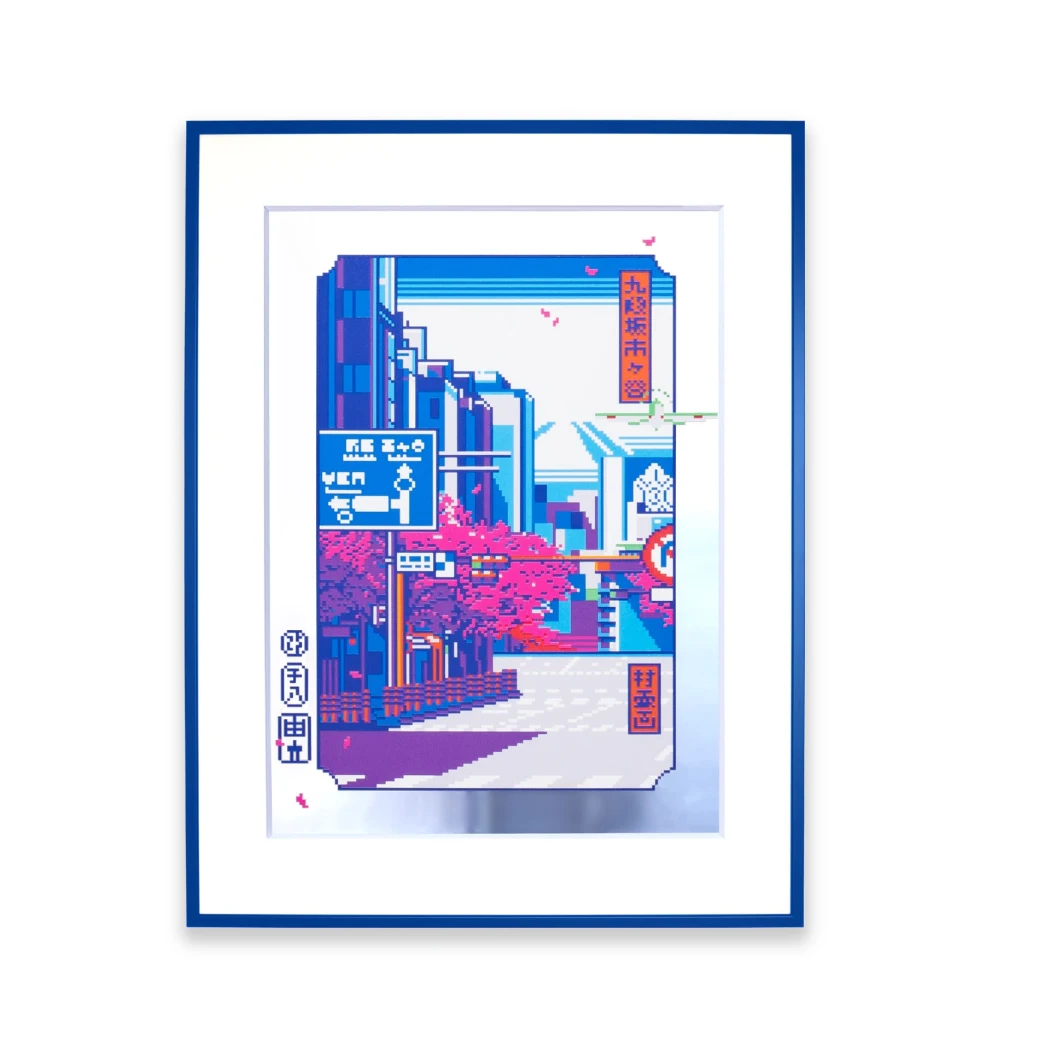
Exciting news! Sato Gallery is opening a showroom in Rotterdam! On Friday May 19th, from 16.00 CET we celebrate our new space with the exhibition “Tokyo Ukiyo.e”. Imagine Tokyo in pixels and you might head somewhat towards the mind of Excalibur: an artist collective from Tokyo, Japan, founded in 2007 by Yoshinori Tanaka.The art of EXCALIBUR is strongly influenced by the graphic appearance of Nintendo in the 1980s and by the golden age of video games. As a base, they use the same 8bit pixel as the video games of that time giving its work a strong sense of nostalgia. One of EXCALIBUR’s signature works is his exciting version of Ukiyo-e, a traditional genre of Japanese wood graving often depicting beautiful women, Sumo wrestlers and city scapes. EXCALIBUR uses urban city scapes as an inspiration. In pixels Tokyo becomes a potential playground for gaming. Its called Ukiyo.eWe celebrate the new space together with our neighbor Yoko Negi, a Japanese flower artist who is based in both Paris and Rotterdam, whose space will open at the same moment. OPENING Friday May 19th, from 16.00 CET Insulindestraat 76 & 78, Rotterdam
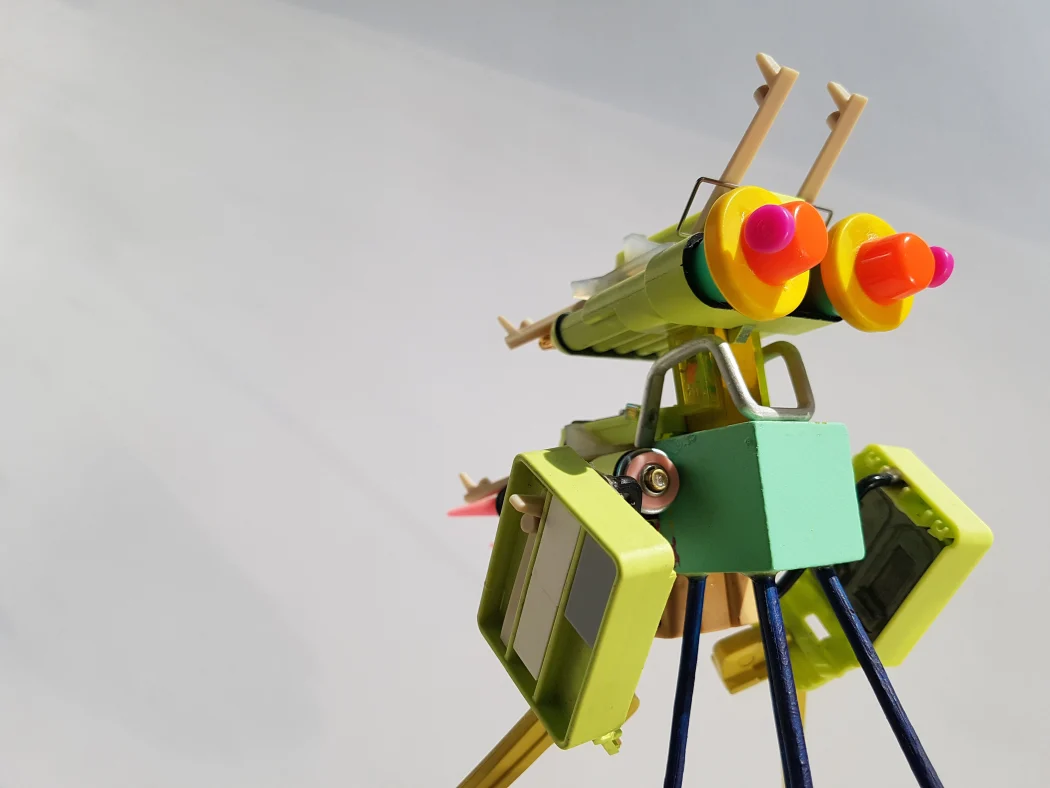
Samy San (1986) – the Plasticien Paris – is a young French man and the first non-Japanese artist to join the gallery. Inspired by his many travels, but mostly, his fascination for Japan, his works derive from sci-fi, robotics and Japanese manga & animation.
As a kid, Samy San was always on the move. He lived in many different parts of France. When his parents divorced, those became two houses, in different areas.
When he was 20, he went to École supérieure art et design de Saint-Étienne, but he left the school at 24, just before graduating. He was feeling badly motivated and didn’t enjoy the vibe anymore. Instead, he packed his bags: he wanted to be on the move again.
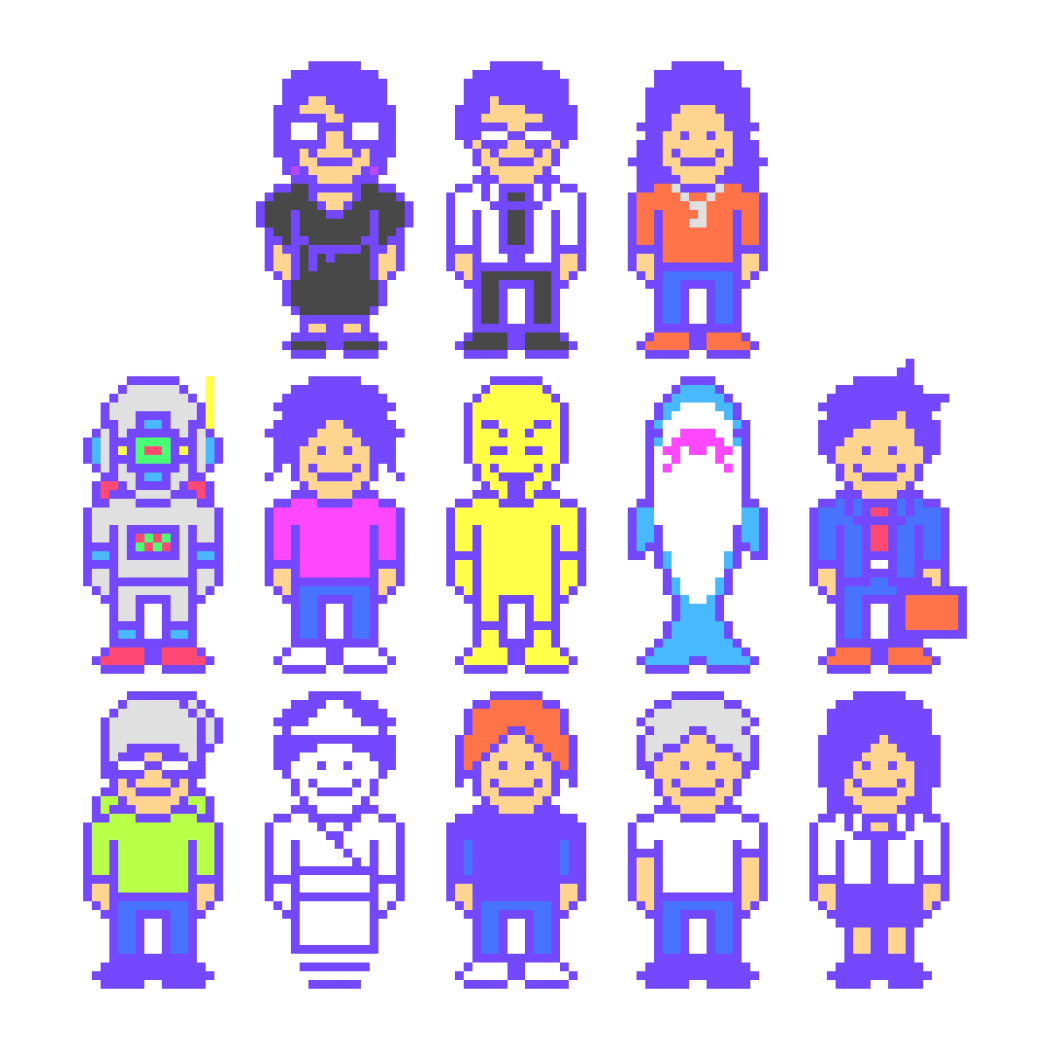
EXCALIBUR, a collective of pixel artists, applies various rules and gimmicks such as color use, numbers, and motifs to their art. The same can be said for the presentation of their work. With the birth of digital art and digital technology overall spreading, we don’t find many artists who switch as freely between virtual and physical art as EXCALIBUR. Let alone do so much in depth research on the technical spectrum of both the fields
We talked to Yoshinori Tanaka, the founder of EXCALIBUR, about crypto art, NFT, and the booming digital art world.
[YT] I was shocked to see the transition of a beautiful and delicate original watercolour painting of Yoshitaka Amano (“FINAL FANTASY 2” (1988)) into an 8bit digital Nintendo image. It was the firsttime the game world directly asked an artist to create the world of the game and you could see how they tried to eliminate the border between physical art and digital art
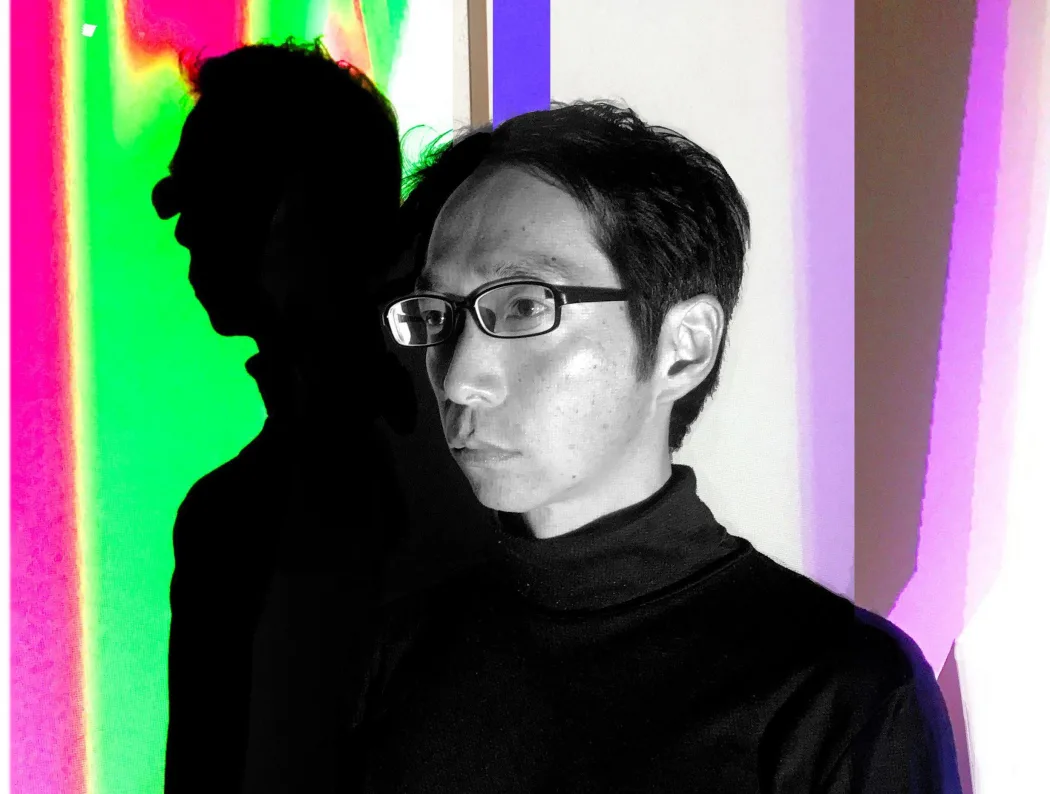
Yoshinori Tanaka (1978), founder of artist collective EXCALIBUR , was born and raised in Motoise, a part of Japan situated close to the sea. Shintoism has its origins there and is rooted deeper and more profoundly than elsewhere in Japan.
Although a lot of Japanese would say that Shintoism is part of them, not many grow up surrounded by its history such as Yoshinori did.
The (mythical) culture of Japan and historical happenings are a great motif for Yoshinori Takana’s work. In 2018 he even made an exhibition in Naruko Tenjinsha Shrine, in Tokyo.
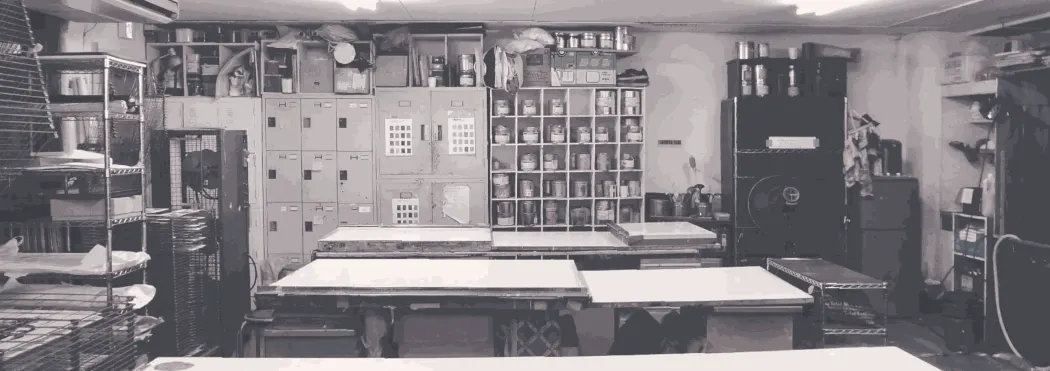
Hidden in the swirling back streets of one of Tokyo’s Lively neighbourhoods one can find a printing studio that makes dreams come true.
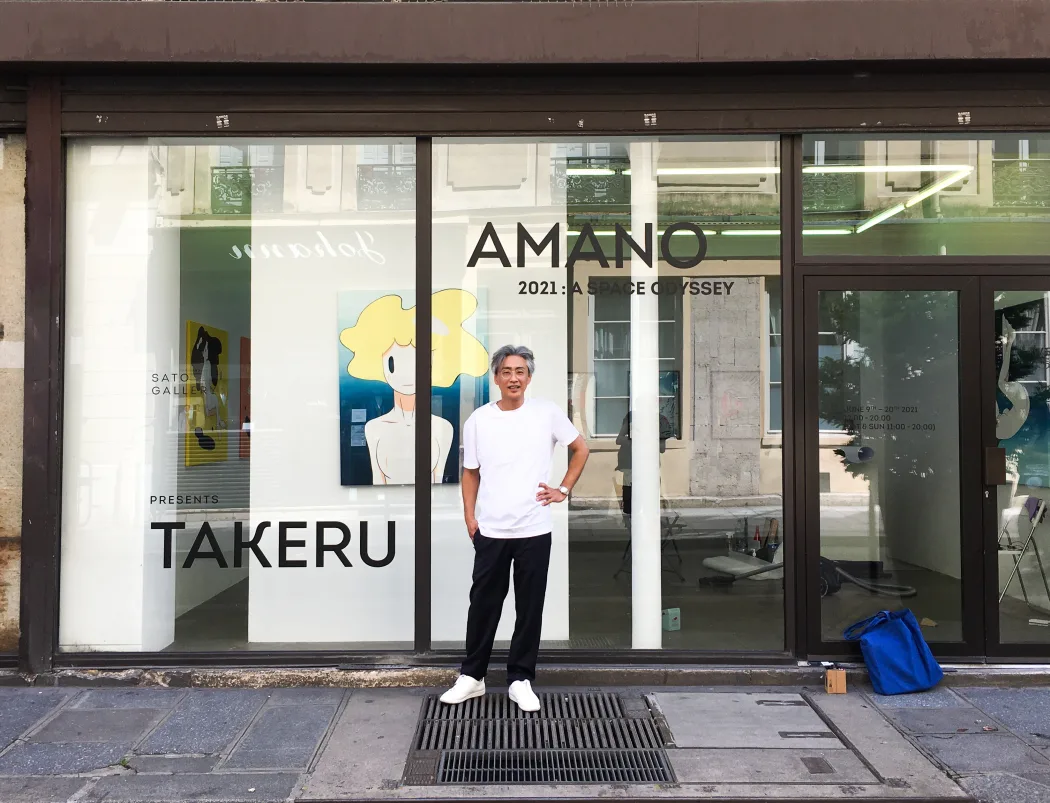
Takeru Amano (1977) is about 10 years old when he visits an exhibition of Keith Haring in a department store in Tokyo. What he witnesses makes a lasting impression. Haring uses the walls of the store to paint on. So instead of using paper, the young Takeru decides to spray-paint some flowers on the walls of the local swimming pool.It marks the beginning of his colourful career.
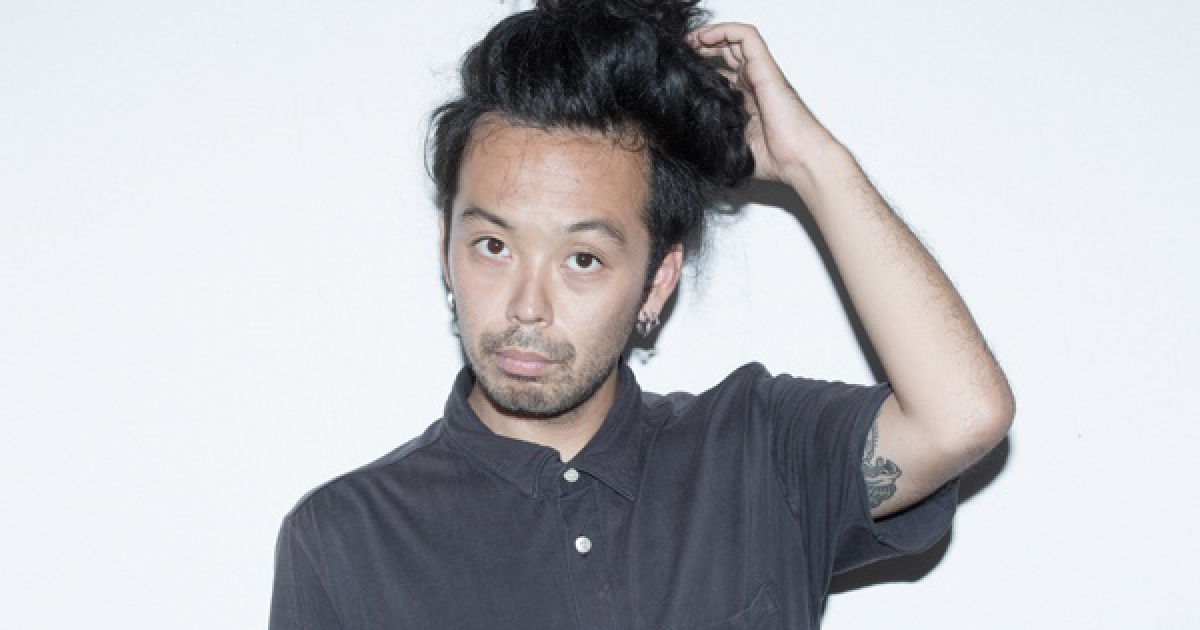
Shimane prefecture is a magical place full of shrines and with a solid base of ancient legends. Situated in the south of Japan, somewhat above Hiroshima, it is the place where Daijiro Hama (1984) had his yōkai (monsters) fuelled childhood and where he learned about legends that would stick with him forever.
For years, drawing was a part of his life just as eating breakfast was. While creating monsters, he fantasized about a career as an antique dealer and even went to Canada for 5 years to pursue this dream. It was only there that he realized that his urge to draw was more than just a habit.
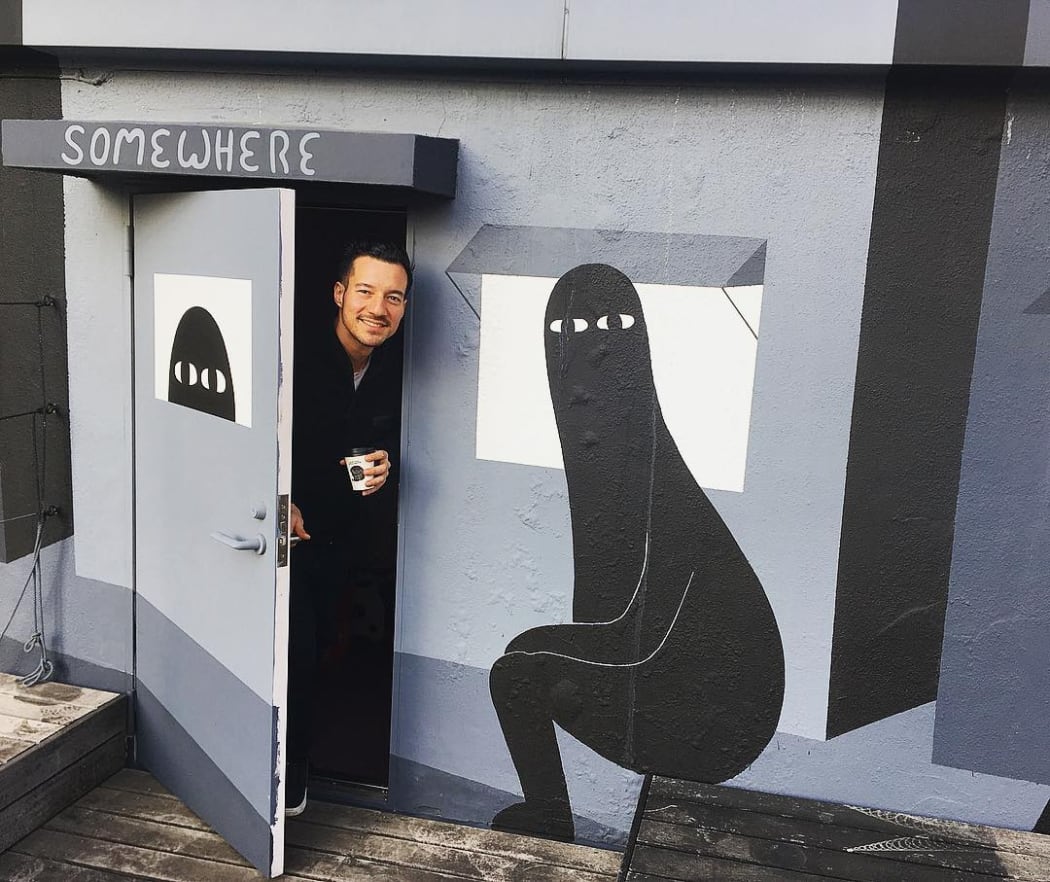
The best ideas arise at night and such was the case with Julien Sato. Working in Tokyo’s dazzling nightlife from a young age, he initiated events where both his passion for art and music could meet.
Organizing live paintings and exhibitions in the mid-2000s, Julien brought together up and coming artists such as Ly, Takeru Amano and Fantasista Utamaro and presented them to an in a relaxed and informal setting. His objective was to give them a stage and maybe more important, to create the sense of community that was lacking in Tokyo.